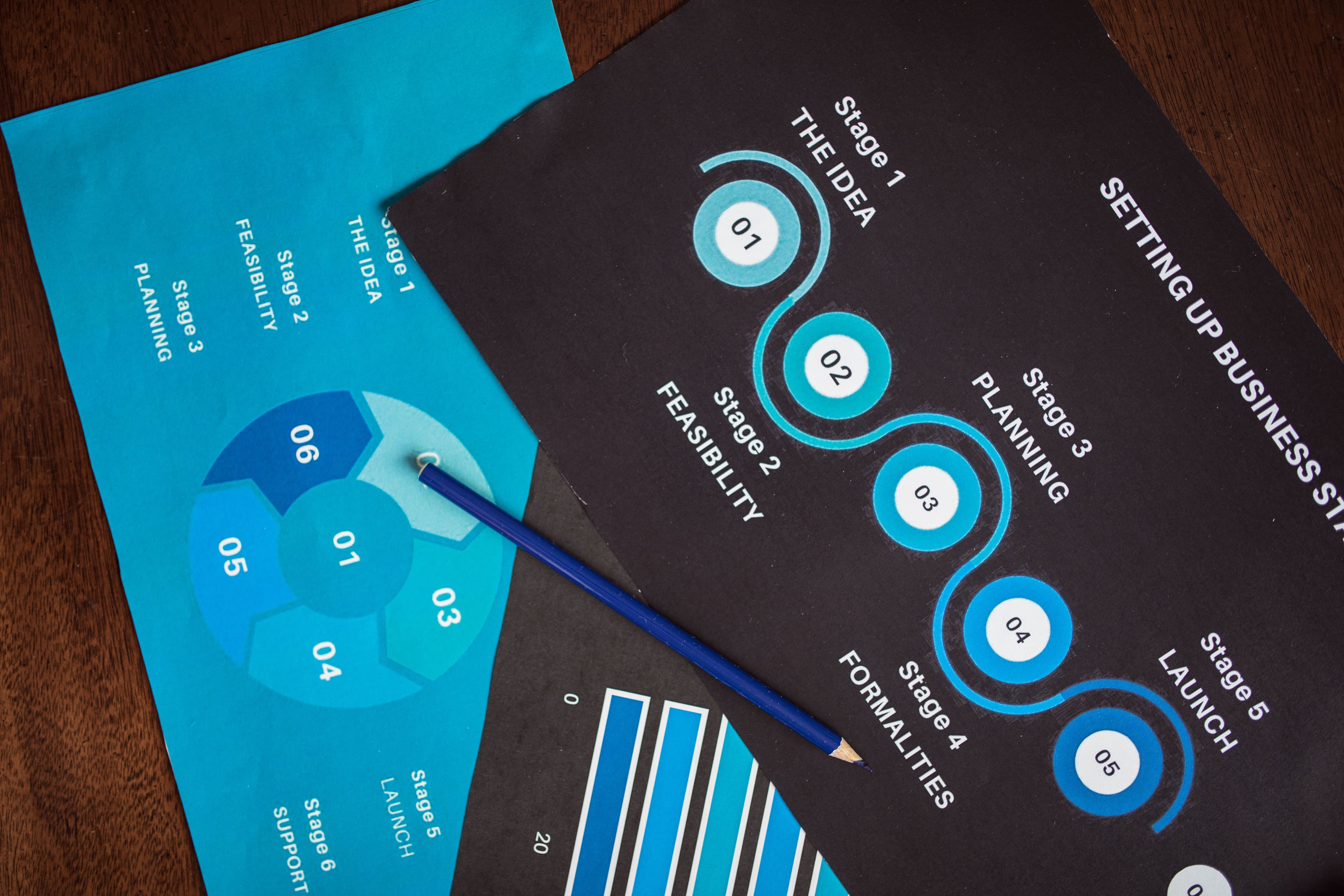
Every successful company has pivoted at some point. Instagram started as a check-in app. Slack began as a gaming company. The ability to recognize when your current model isn't working — and act on it — separates companies that survive from those that don't.
Sign 1: Customer Acquisition Costs Keep Rising
If you're spending more and more to acquire each customer with no improvement in retention, your value proposition may not be resonating with the market.
Sign 2: Your Best Customers Use Your Product Differently Than Expected
Pay attention to how customers actually use your product versus how you designed it. Sometimes the pivot is already happening organically — you just need to follow it.
Sign 3: Revenue Growth Has Plateaued Despite Increased Effort
When you're working harder but the numbers stay flat, it's usually a structural issue, not an execution one. More sales calls won't fix a misaligned business model.
Sign 4: Your Team Is Losing Motivation
Your team feels it before the metrics show it. If talented people are checking out or leaving, it often means they've lost belief in the direction.
Sign 5: Competitors Are Solving the Same Problem Differently — and Winning
If newer entrants are capturing market share with a fundamentally different approach, defending your current model may be a losing strategy.
How to Pivot Without Losing Everything
A pivot doesn't mean starting over. It means redirecting your existing assets — team, technology, customer relationships — toward a more viable opportunity. The key is to move quickly once you've decided, and to communicate the change clearly to your stakeholders.